FotoEstate Magazine
Knowledge for real estate marketing
Strategies, practical tips and concrete use cases: sell and let faster with 3D visualization and digital twins.

26. August 2026
Which images a brochure needs, why too many do as much harm as too few, and the order in which a gallery actually works.
Read more

24. August 2026
Operational categories, geographical zones, personality rights and freedom of panorama — an overview of what to settle before every drone flight.
Read more
21. August 2026
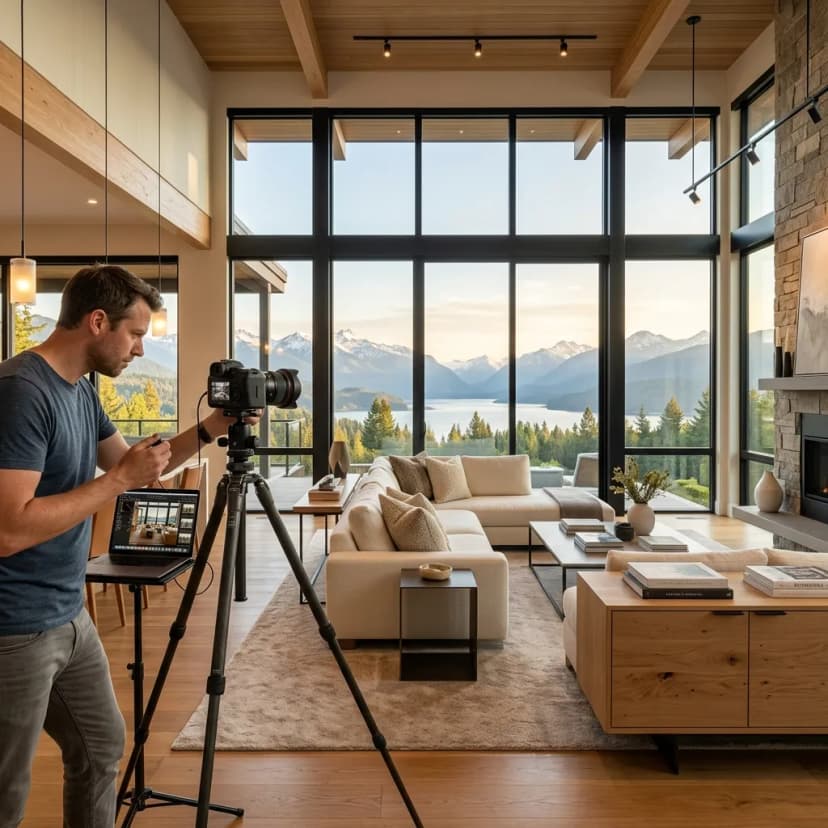
Image quality is decided before the shoot. A working basis for agents and owners, from scheduling through to the last fifteen minutes on site.
Read more
18. August 2026
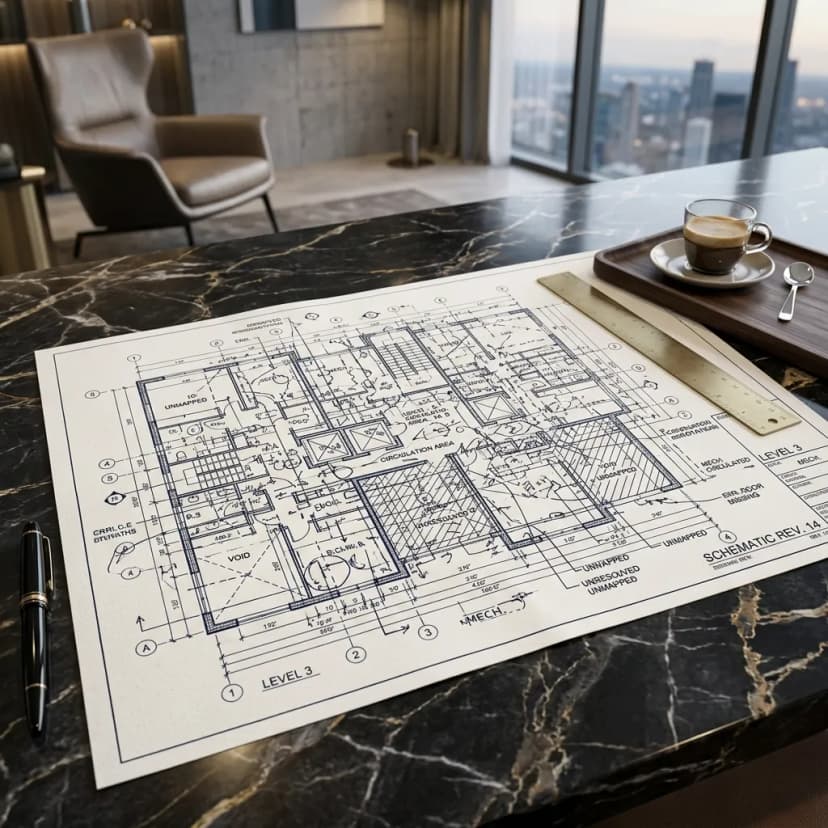
Eight typical mistakes in brochure floor plans, what they trigger in the viewer and how each of them can be fixed with reasonable effort.
Read more

14. August 2026
Virtually furnished brochure images need a note. What it has to look like, where misleading advertising begins and which mistakes happen most often.
Read more
20. Juli 2026
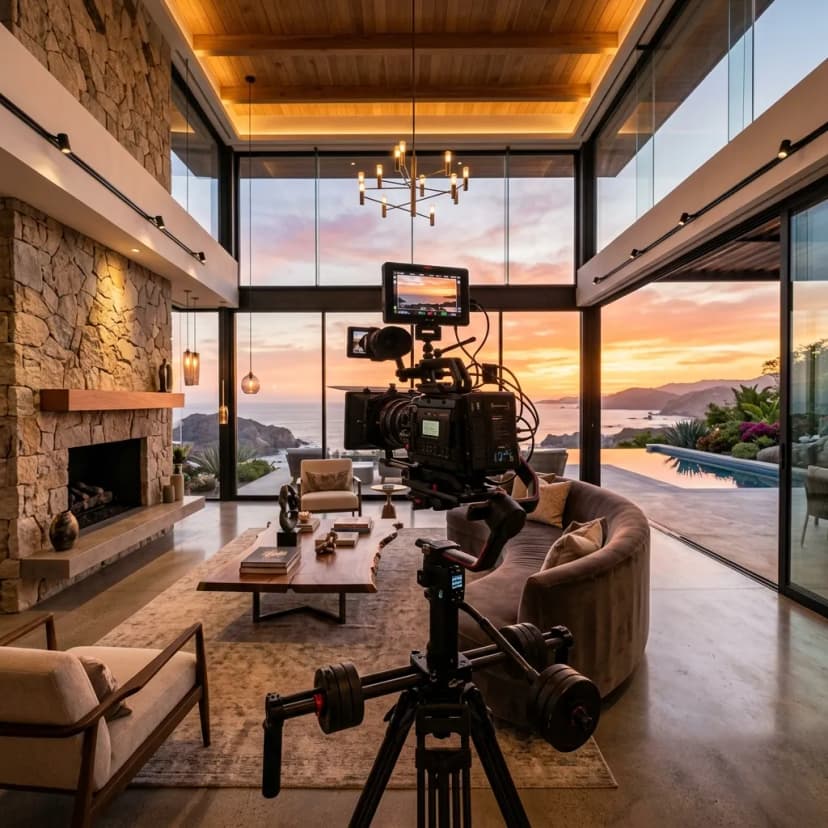
Portals and social media favour moving image – but a film crew rarely pays off for a condominium. The short film from existing photos closes that gap.
Read more

17. Juli 2026
A profile is created, worked on for three weeks, then a sale gets in the way. The problem is rarely a lack of insight but a lack of structure.
Read more
15. Juli 2026
Most agency websites are built once and then only extended with listings. For search engines that means standstill.
Read more
13. Juli 2026
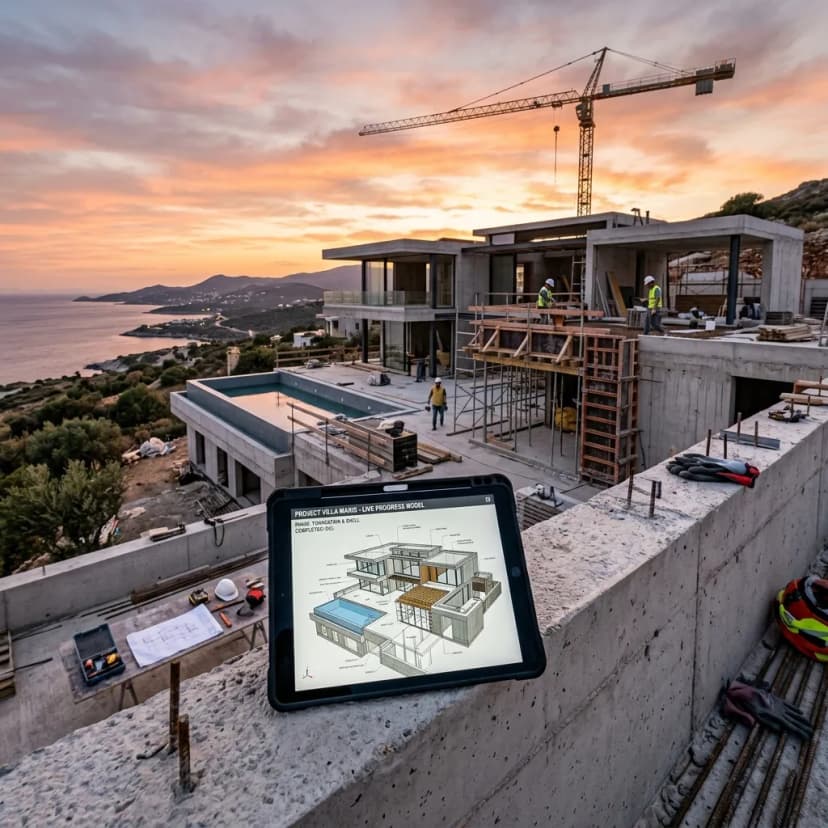
The most expensive moment in construction is the one where a piece of information is missing that was once visible. The key appointment lies just before that.
Read more

12. Juli 2026
Professional real estate photography pays off, but what does it really cost? We break down all prices, packages and cost factors for 2026.
Read more
11. Juli 2026
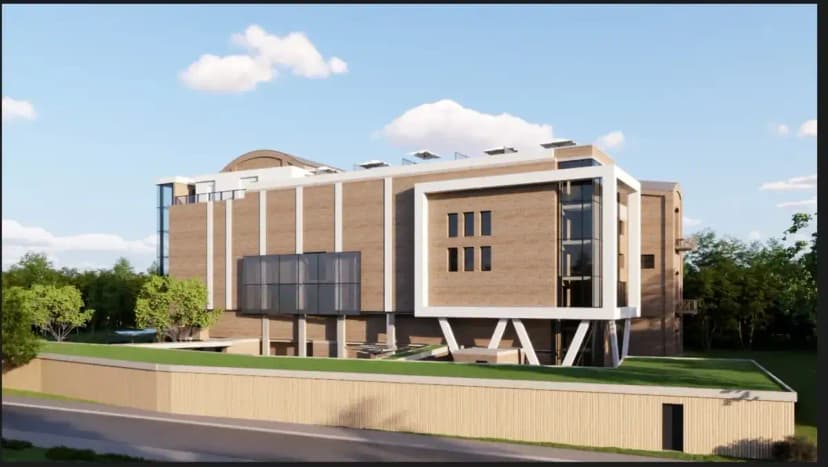
How to assess a real estate rendering provider systematically: read the portfolio properly, make quotes comparable, avoid contractual traps. With a 12-point checklist and red flags.
Read more

11. Juli 2026
From modelling to post-production: how long a rendering really takes and what most often derails the delivery date.
Read more
11. Juli 2026
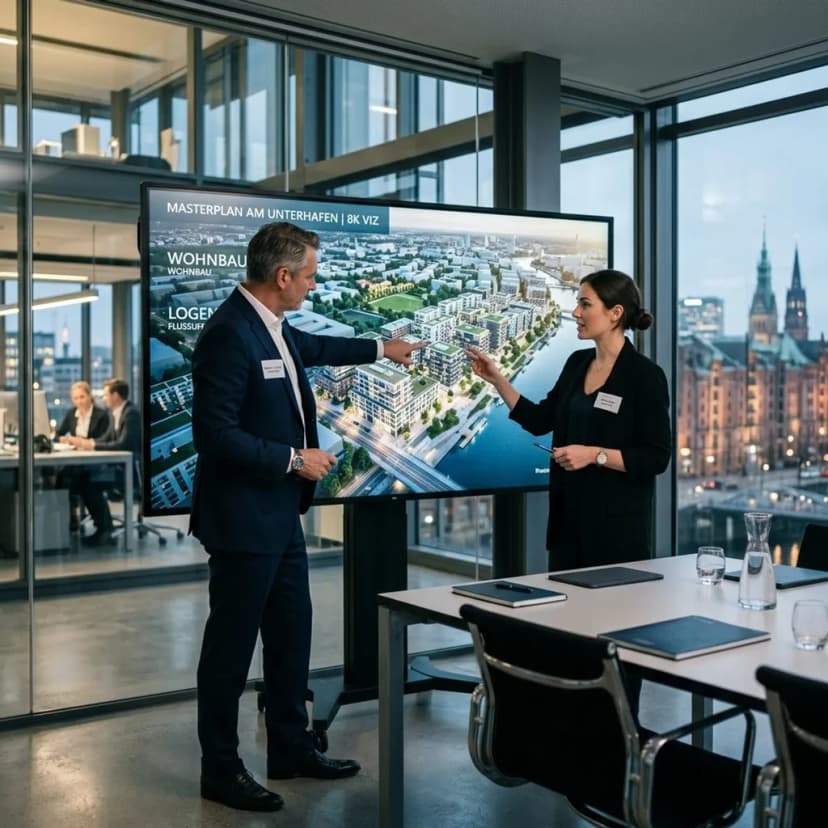
Types, process, costs and choosing an agency: the complete guide to real estate rendering for developers, project developers and agents.
Read more
11. Juli 2026
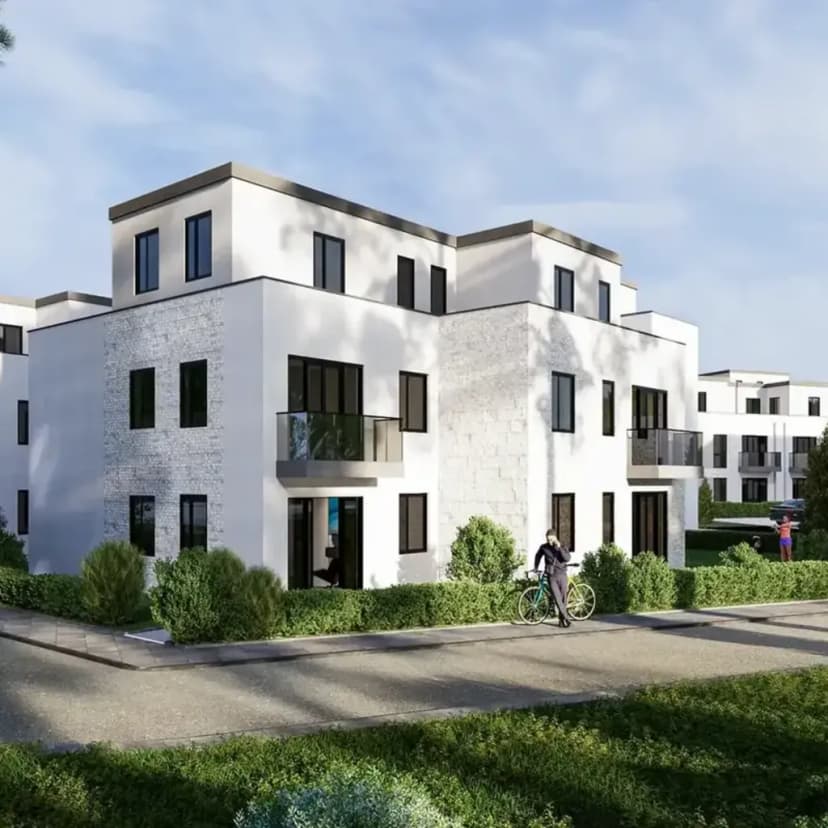
What does a 3D rendering cost? The four cost drivers, why the first image of a project is always the most expensive, and when a package beats a single image.
Read more
11. Juli 2026
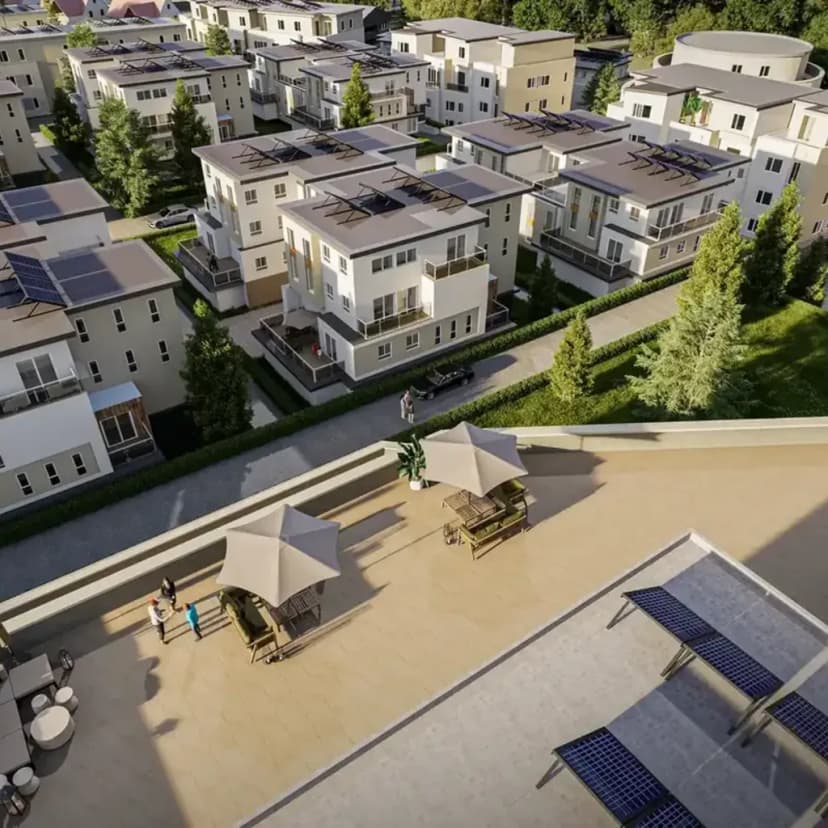
CAD data, PDF plans or just a sketch? How your documents determine the effort, price and delivery date of your rendering.
Read more
11. Juli 2026
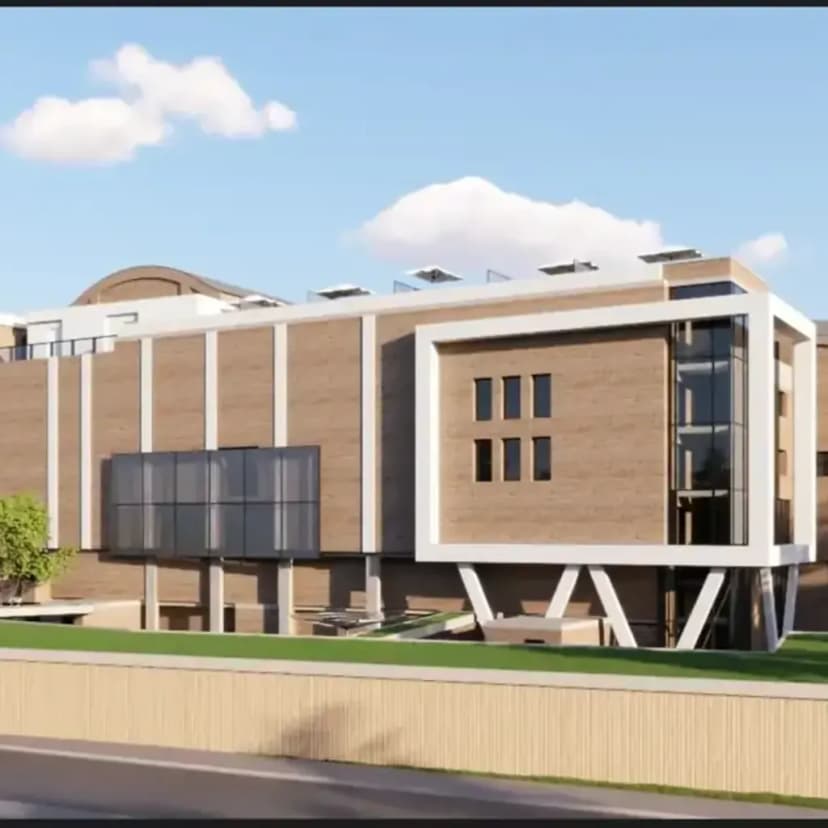
What AI image generators can achieve in architectural visualisation today, where they fail developers and how both work together sensibly.
Read more
11. Juli 2026
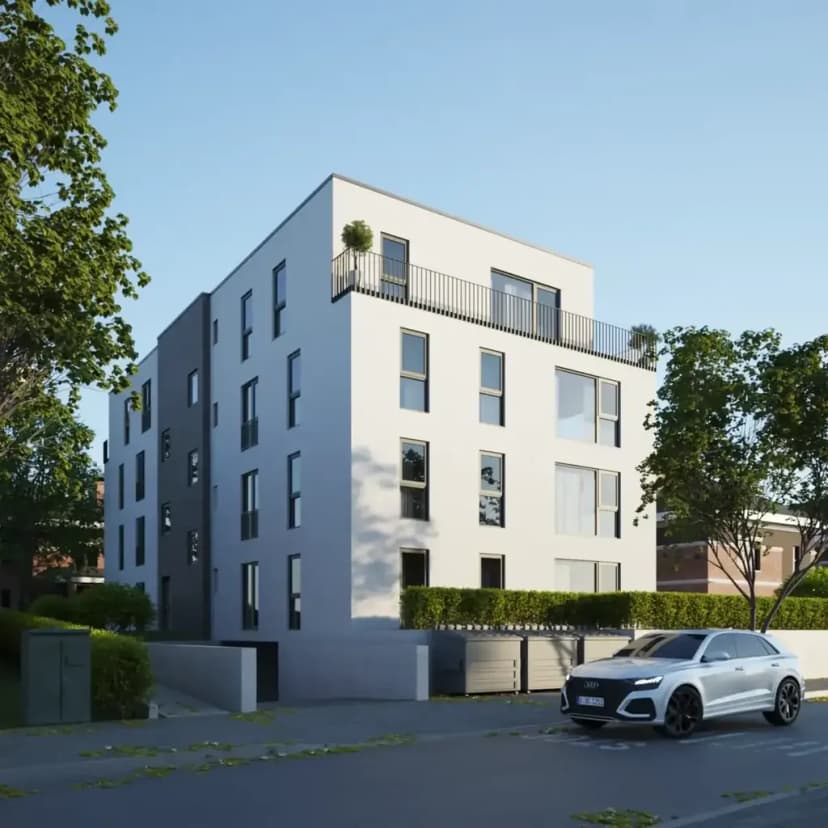
Building authorities, design review boards and neighbours read images differently than buyers. Why honest photomontages achieve more in the approval process than beautiful renderings.
Read more

11. Juli 2026
"Non-binding illustration" is no free pass: what developers should watch for with deviations, rights of use and staffage in renderings.
Read more

10. Juli 2026
Why the interior view sells more than the facade in new-build sales: which rooms you should visualise, which documents an interior rendering needs and what it costs.
Read more
10. Juli 2026
A website is not a branding project but a sales channel. Most fail not on design but on missing entry points.
Read more
8. Juli 2026
A drone is quickly bought. The legal requirements for commercial use are regularly underestimated.
Read more
6. Juli 2026
The energy certificate is the most underestimated obligation in a property sale – and one of the few that directly triggers fines.
Read more
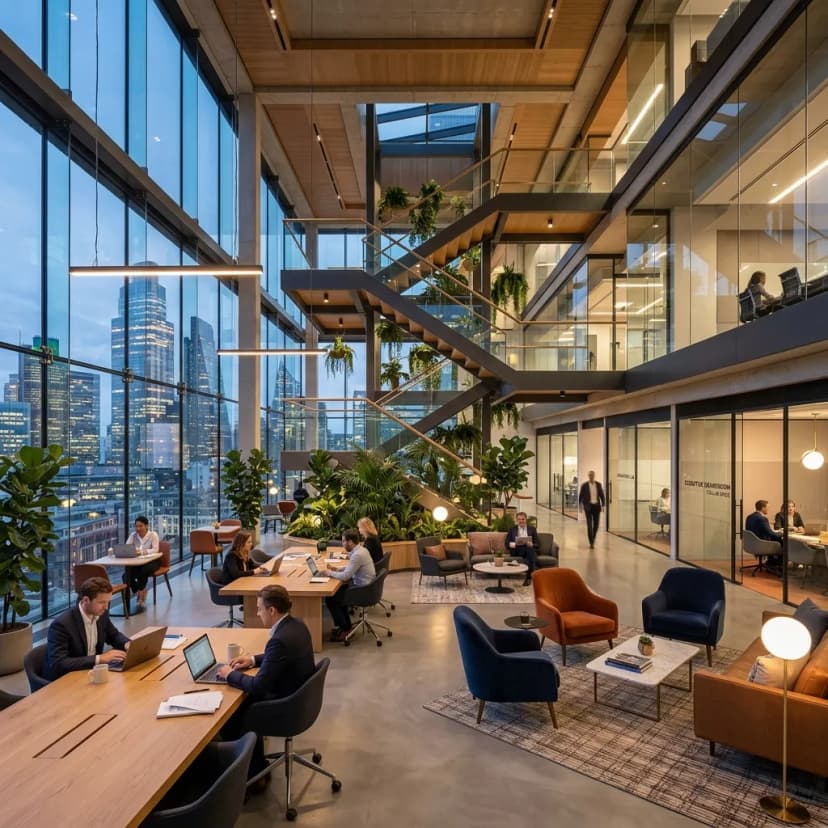
03. Juli 2026
How to visually optimally market flexible office spaces and modern work environments and increase your occupancy rate.
Read more
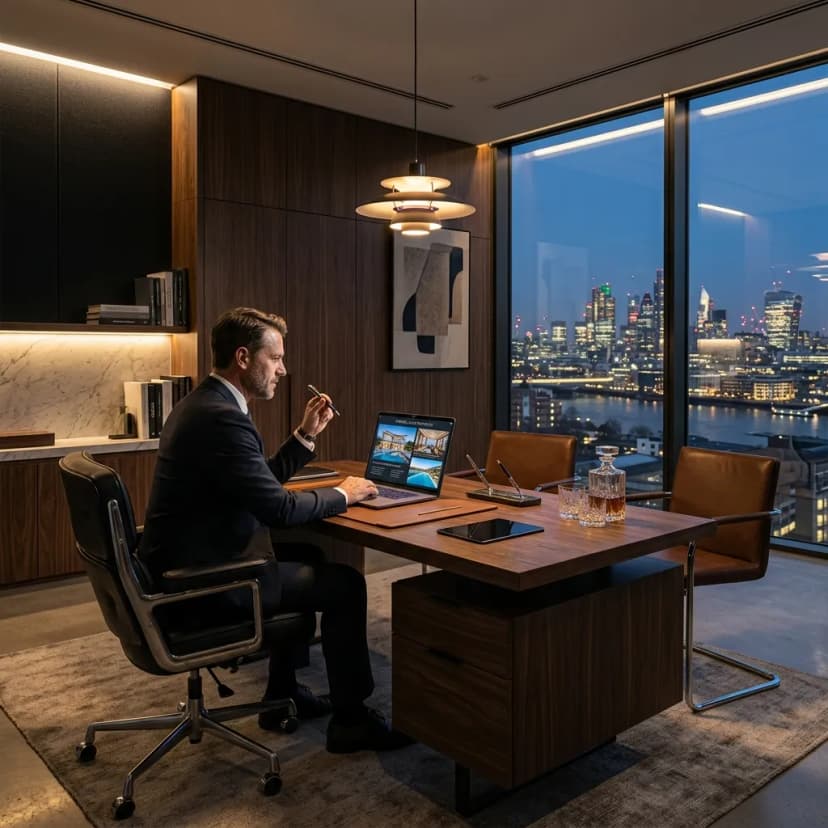
03. Juli 2026
Learn how banks and savings banks market their real estate portfolio faster and more profitably through professional image editing.
Read more
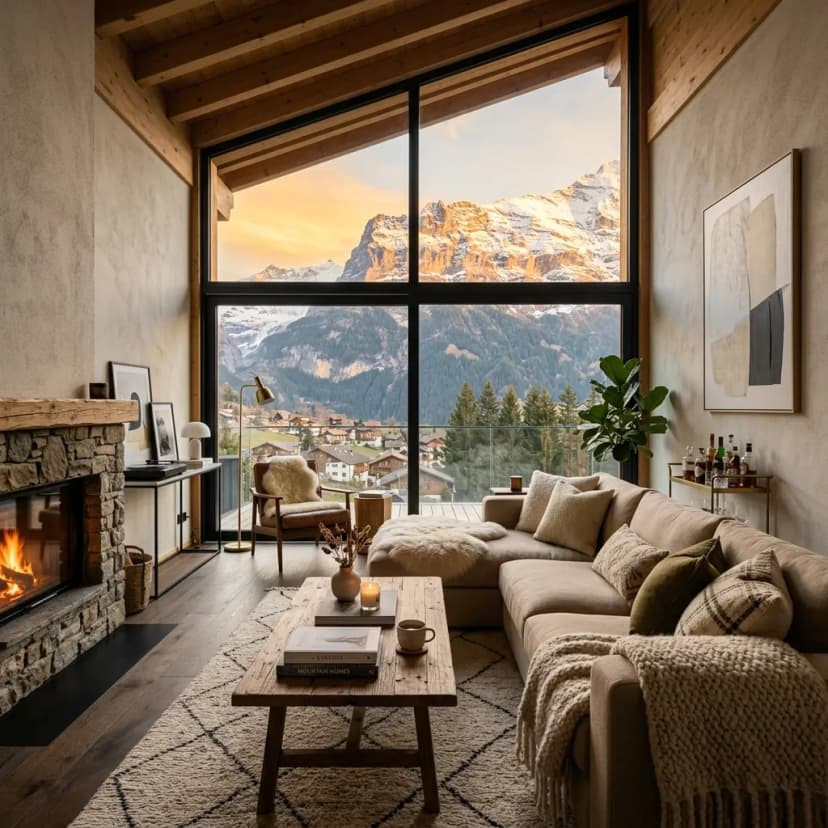
03. Juli 2026
How the right cover image on booking portals determines the success or failure of your listing.
Read more
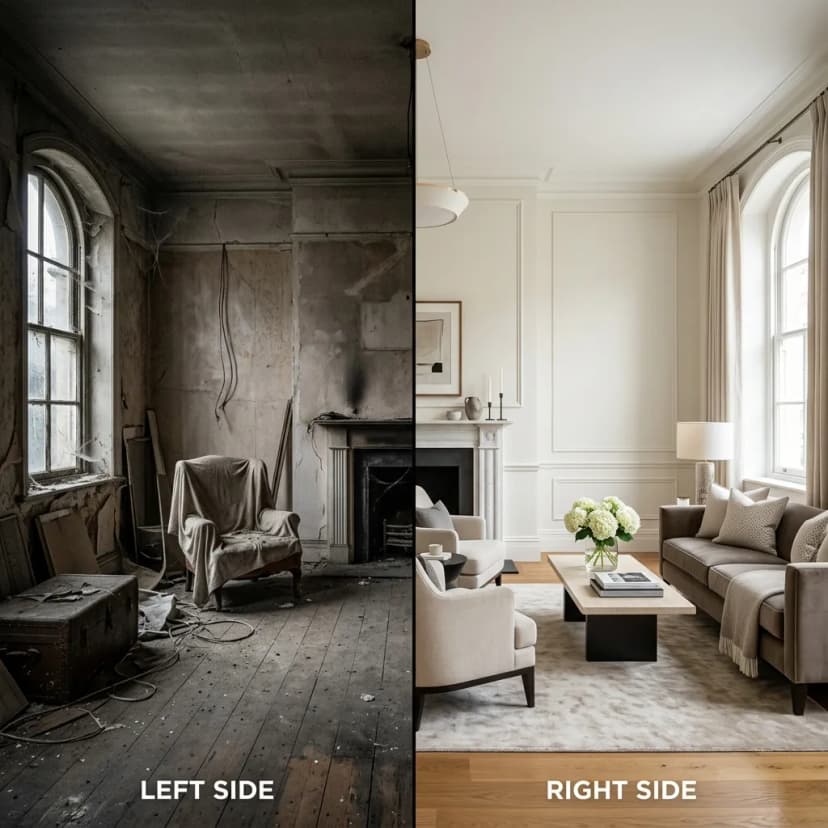
03. Juli 2026
How insolvency administrators discreetly enhance distressed properties through specialized image editing and achieve higher proceeds.
Read more
03. Juli 2026
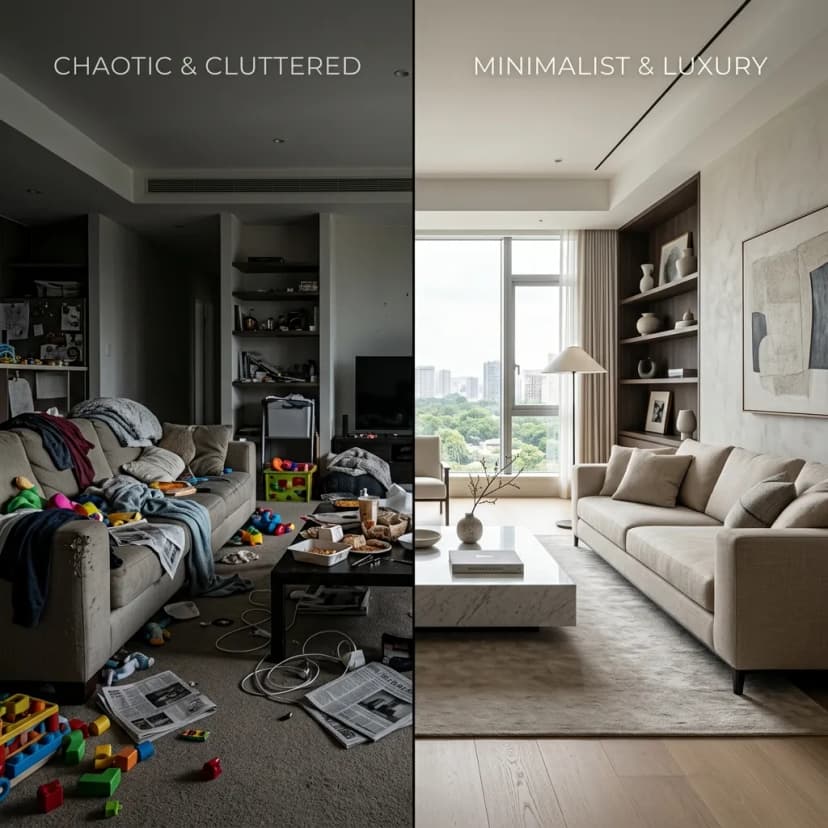
Maximum proceeds from foreclosure sales through the virtual clearing of problem properties.
Read more
03. Juli 2026
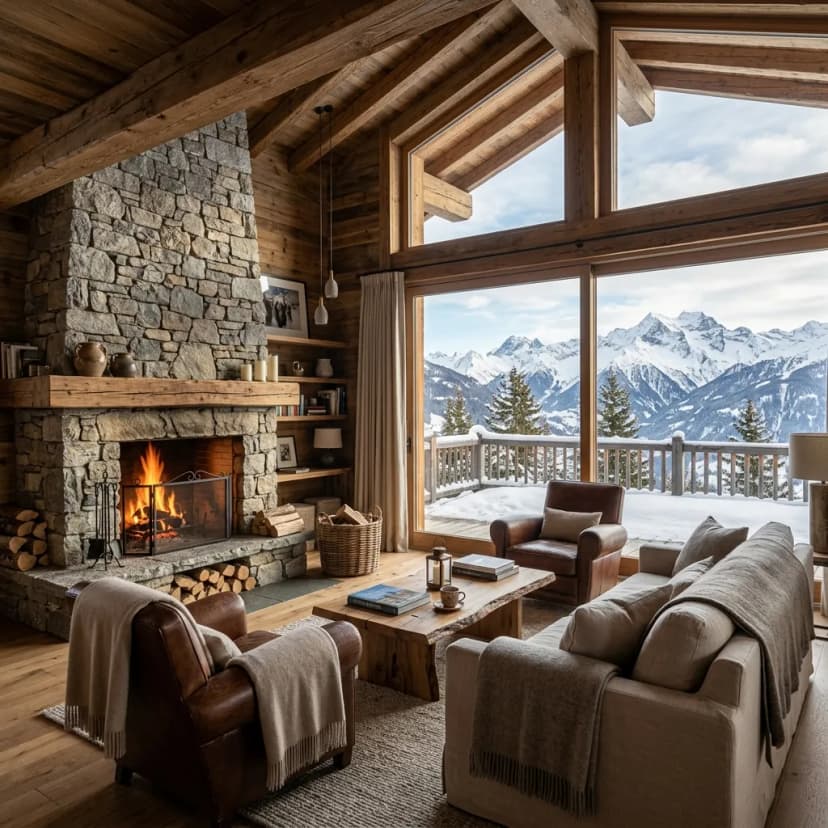
Why investing in professional photoshoots for holiday homes drastically increases occupancy.
Read more
3. Juli 2026
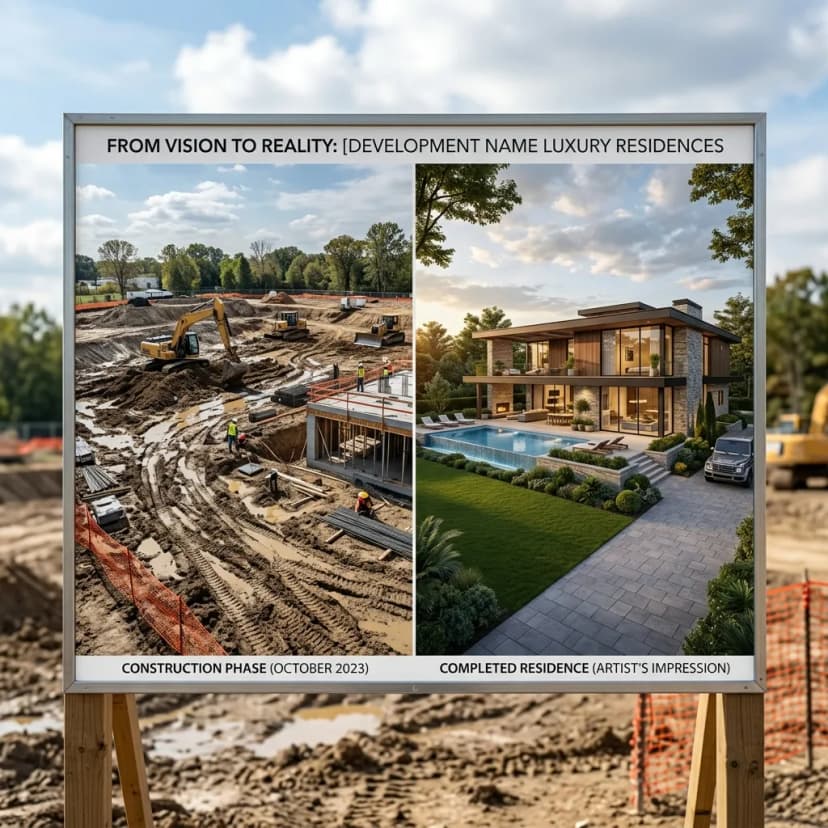
New-build sales rarely fail because of the product but because of friction in the process. The PDF price list is the single largest item.
Read more
1. Juli 2026
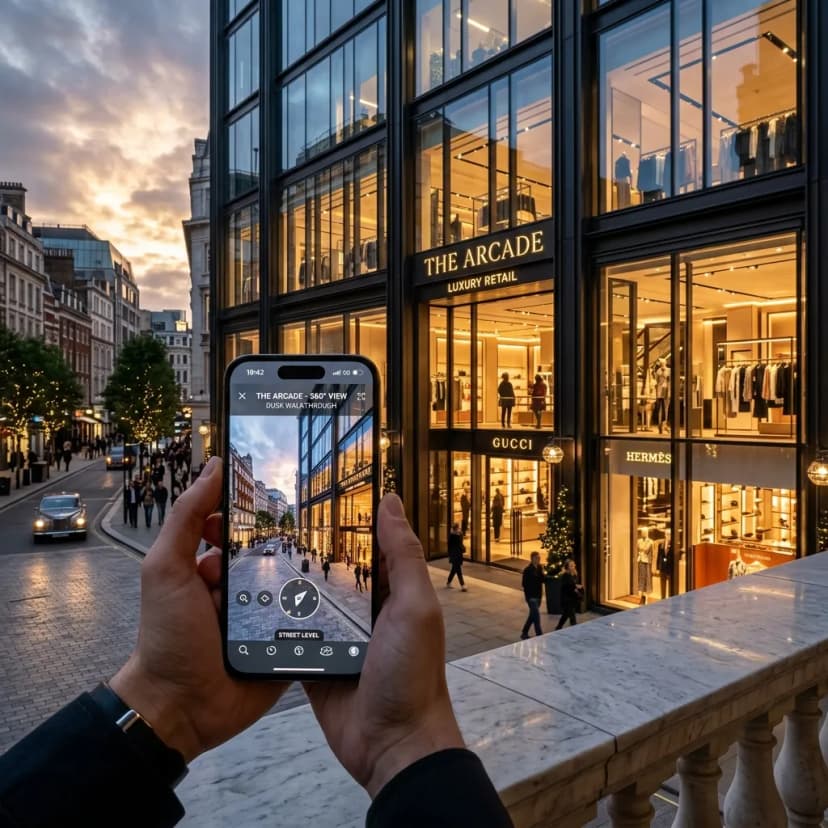
Most owners search locally – and see the map results first. Anyone not appearing there does not exist for them.
Read more
28. Juni 2026
Inherited properties rarely become difficult on the market, but in the coordination. Knowing the sequence saves months.
Read more
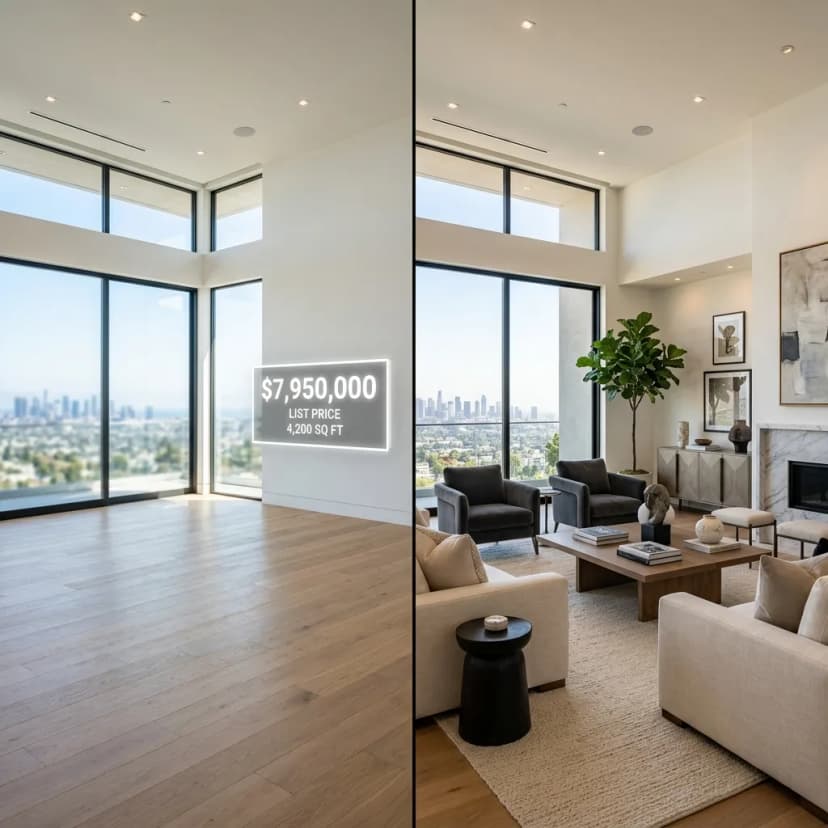
26. Juni 2026
Both methods solve the same problem – but not the same part of it. The difference lies in whether the buyer enters the room.
Read more
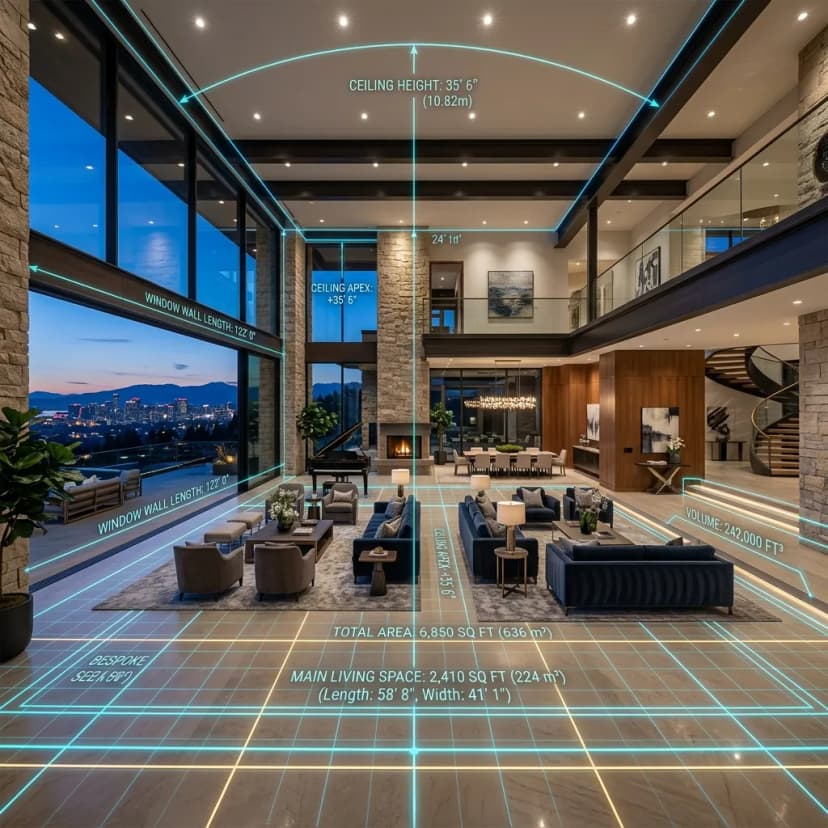
26. Juni 2026
How to inspire demanding premium buyers and reduce purchase barriers with residential & usable area calculation.
Read more
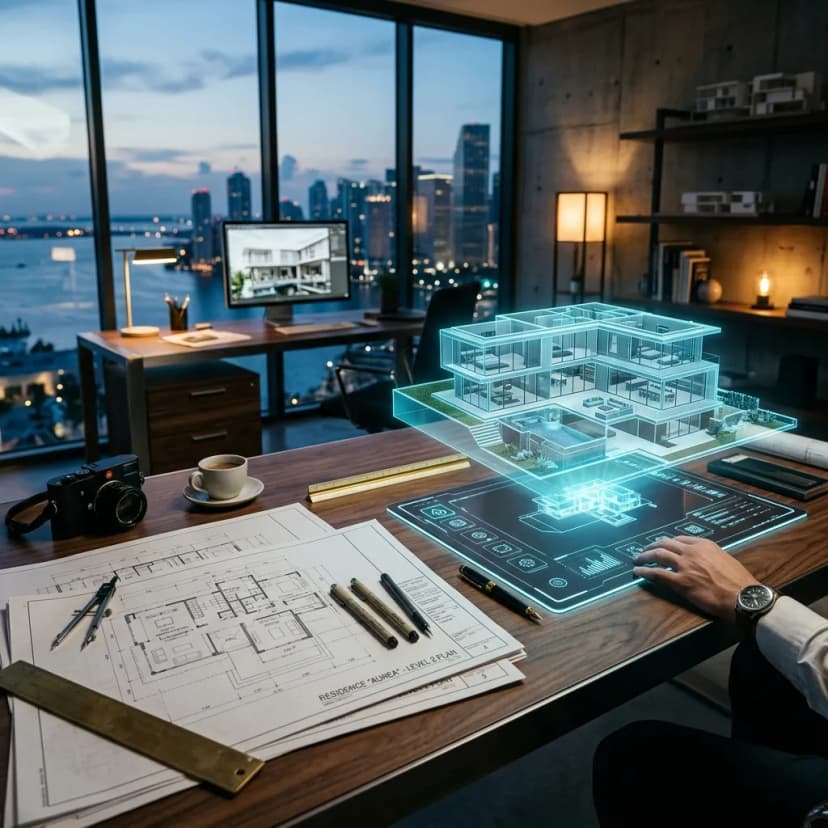
25. Juni 2026
Clear structure or spatial depth? We analyze the strengths of both floor plan types and show the best usage scenarios.
Read more
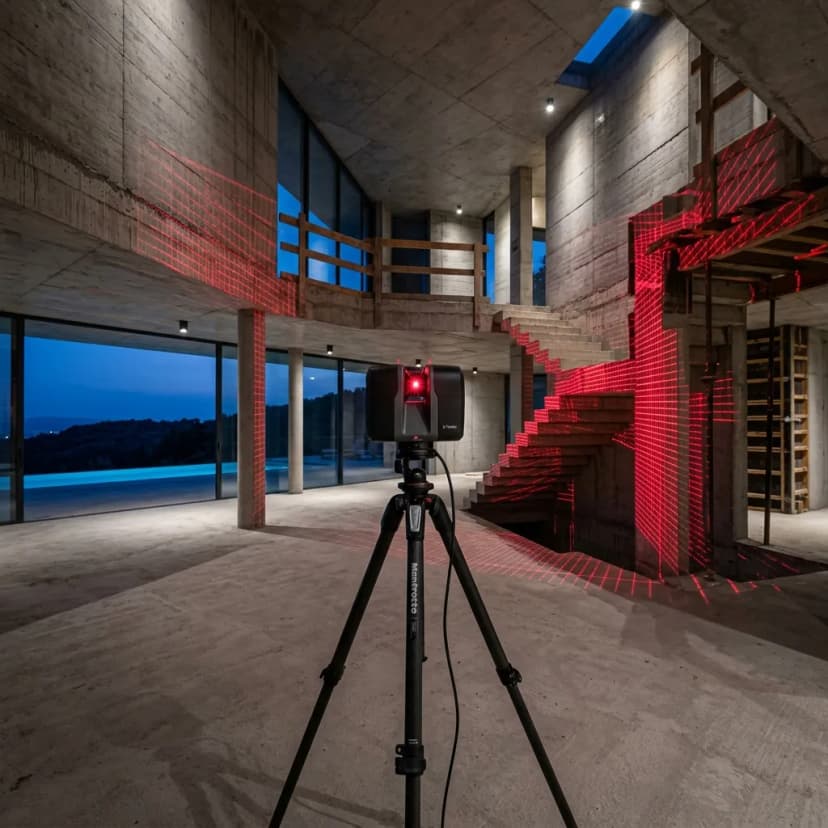
25. Juni 2026
Forget manual measurement errors. Learn how highly precise laser scans lay the foundation for smooth digital construction planning (BIM).
Read more
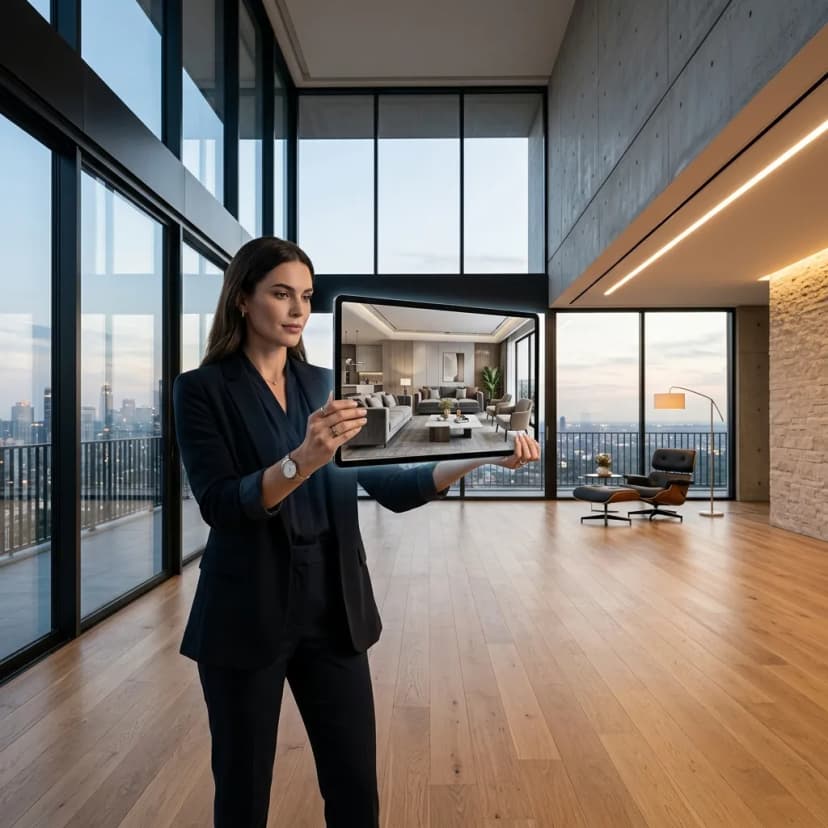
25. Juni 2026
View the future home on the empty lot with the smartphone – augmented reality makes it possible and excites modern buyers.
Read more
25. Juni 2026
Record every construction phase digitally. Professional documentation protects against warranty disputes and secures the construction progress.
Read more
25. Juni 2026
Static images are often no longer enough. Why emotional film productions and drone flights are today the key to rapid sales success.
Read more
25. Juni 2026
Show the surroundings, the property, and the condition of the roof at a glance. Aerial images provide orientation and exclusive content.
Read more
25. Juni 2026
From the main image to the 3D floor plan: This is how you combine photography, videos, and scans to halve the selling time of your property.
Read more
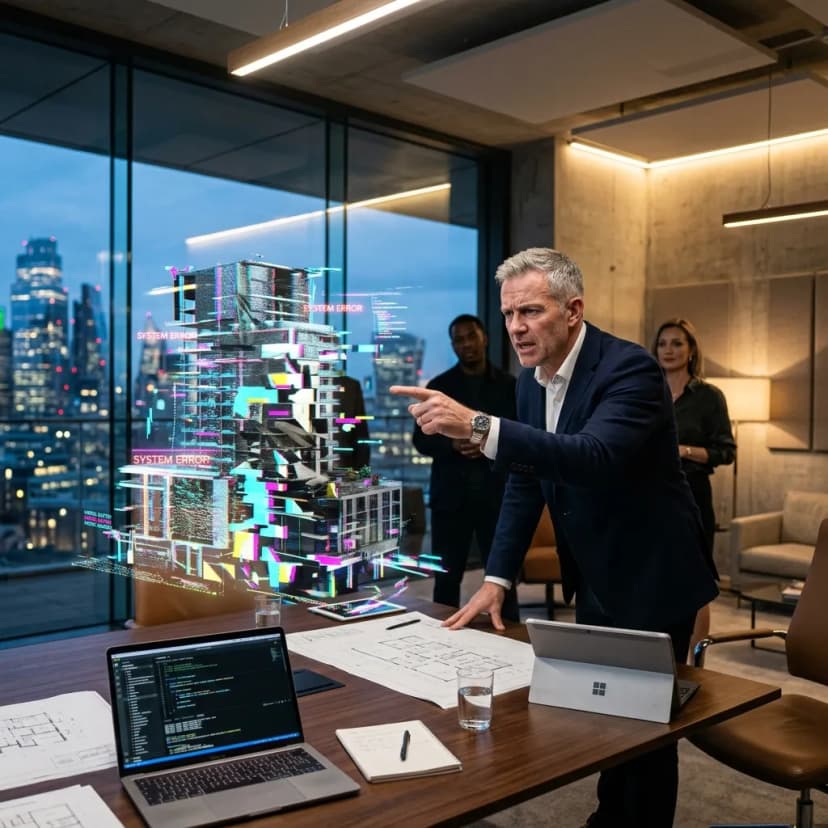
25. Juni 2026
How to achieve maximum results in AR real estate visualization and save valuable budget.
Read more
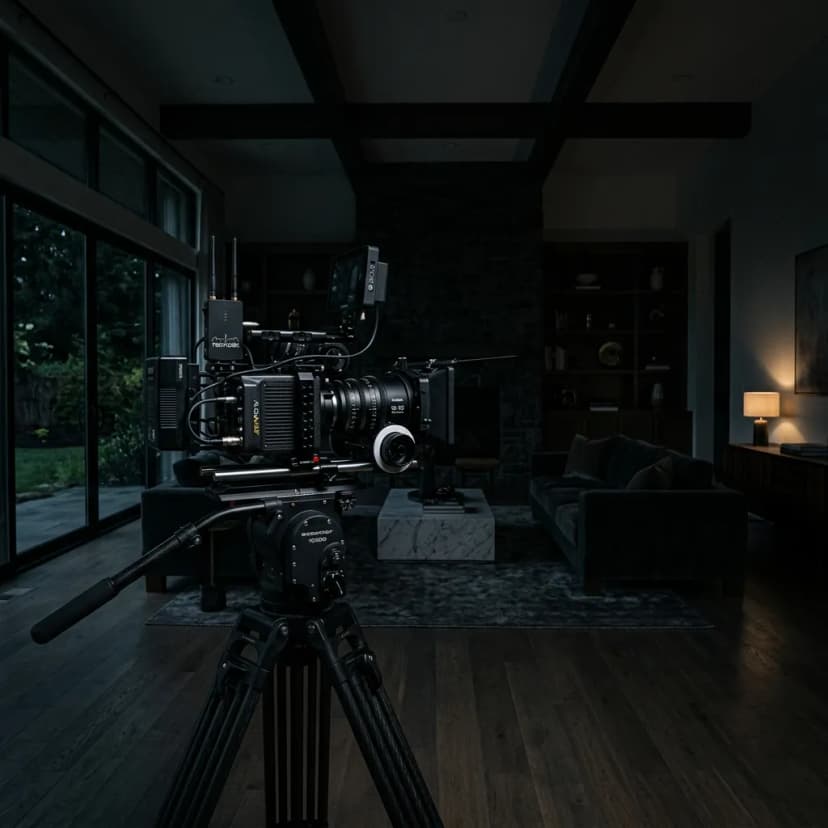
25. Juni 2026
How to achieve maximum results with cinematic real estate videos and save valuable budget.
Read more

25. Juni 2026
This is how you achieve maximum results in residential & usable area calculation and save valuable budget.
Read more
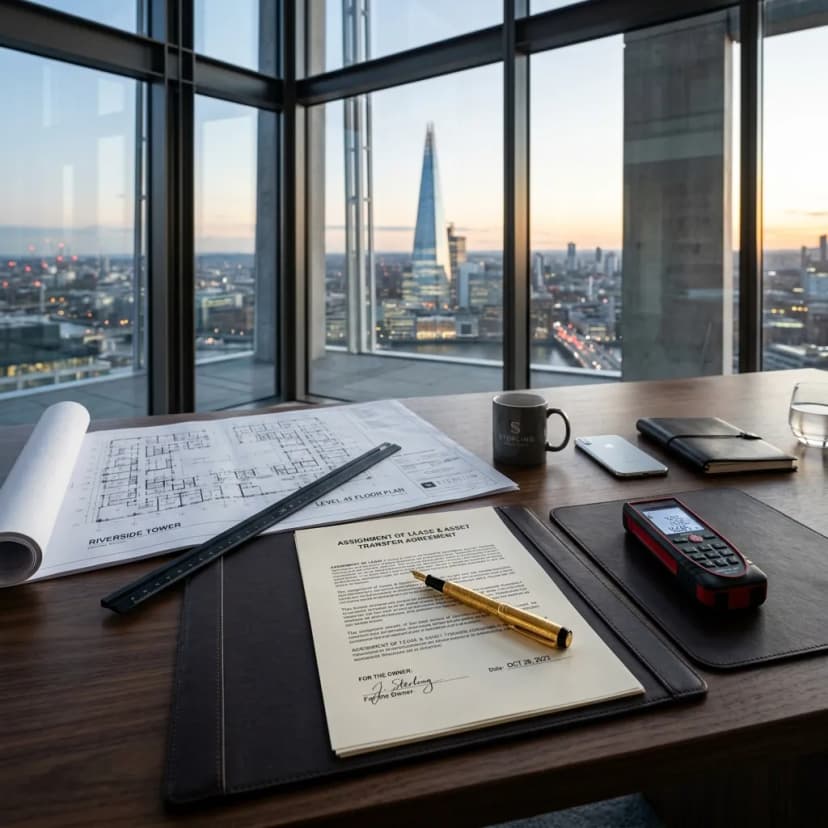
25. Juni 2026
Deviations in the living area can lead to expensive repayments. Protect yourself with professional and legally secure measurements.
Read more
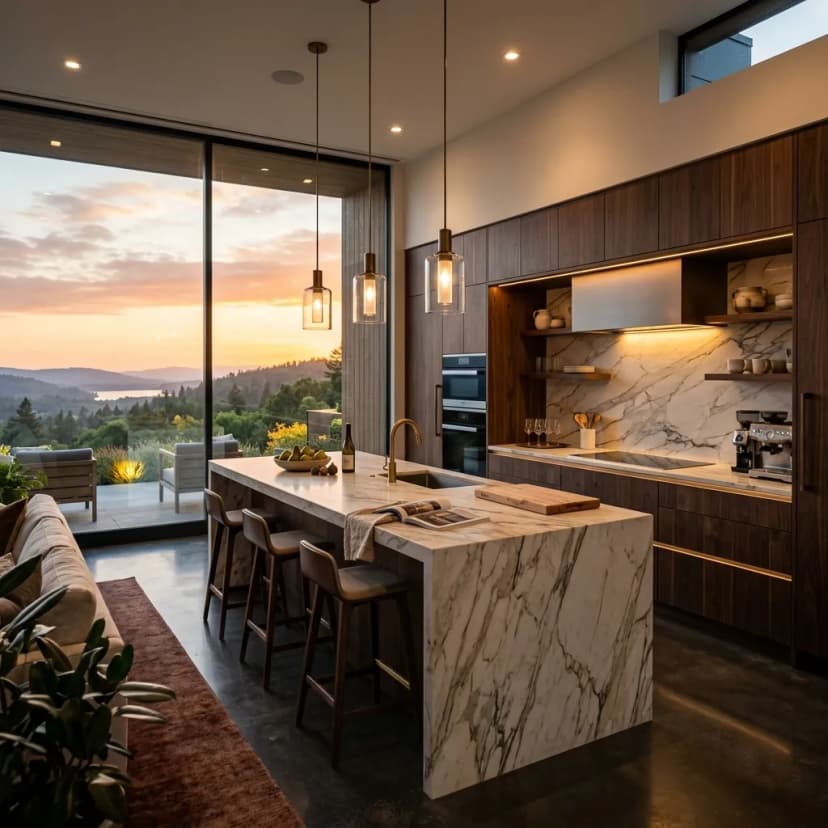
25. Juni 2026
First-class real estate demands first-class images. We show you the most important techniques for lighting, angles, and composition in the high-end segment.
Read more
25. Juni 2026
Increase your ranking and your customers' trust by embedding a virtual tour directly into your Google Business Profile.
Read more
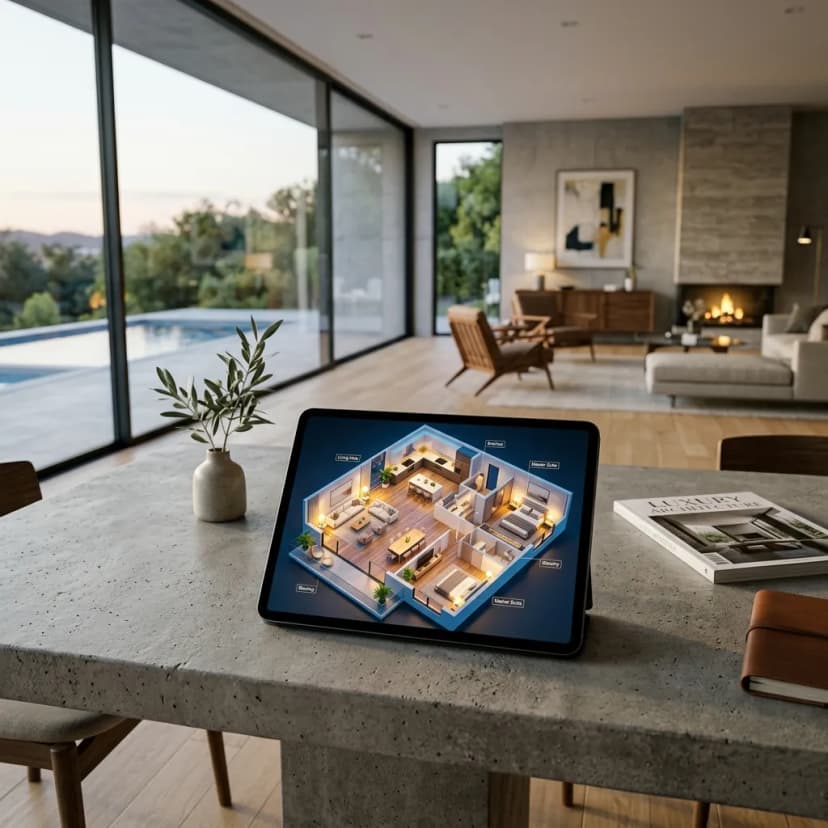
25. Juni 2026
A bare blueprint overwhelms many laypeople. Learn how furnished and colored floor plans inspire buyers' imagination.
Read more

25. Juni 2026
Photorealistic 3D renderings evoke emotions and build trust with investors and private buyers, even before the construction site exists.
Read more
25. Juni 2026
From AI image optimization to interactive metaverses. We take a look at the most important marketing tools for the real estate industry.
Read more

25. Juni 2026
Whether shopping mall, hospital, or large stage – this is how you create real added value for visitors through forward-looking digital guidance.
Read more
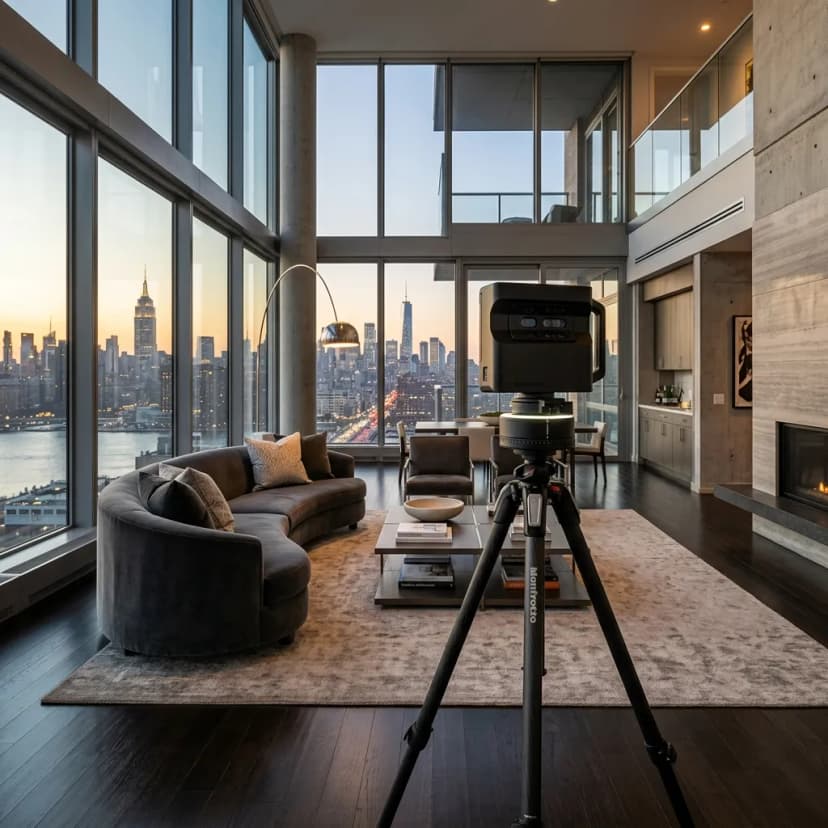
25. Juni 2026
Experience real estate in detail in the 'dollhouse view'. Why Matterport technology multiplies the interaction rate of your listings.
Read more
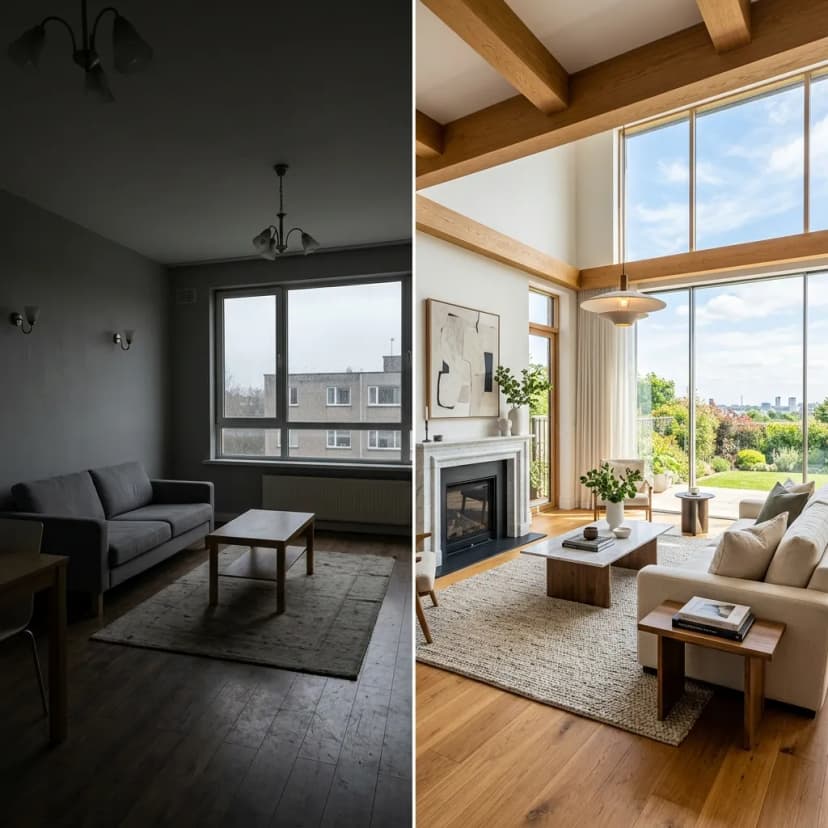
25. Juni 2026
Learn how professional digital retouching can bring out the best in your real estate photos even on gray days and maximize click-through rates.
Read more
25. Juni 2026
Which new technologies and developments in 3D surveying & laser scanning are now changing the market.
Read more
25. Juni 2026
Which new technologies and developments in cinematic real estate videos are now changing the market.
Read more
25. Juni 2026
Which new technologies and developments in residential & usable area calculation are now changing the market.
Read more
25. Juni 2026
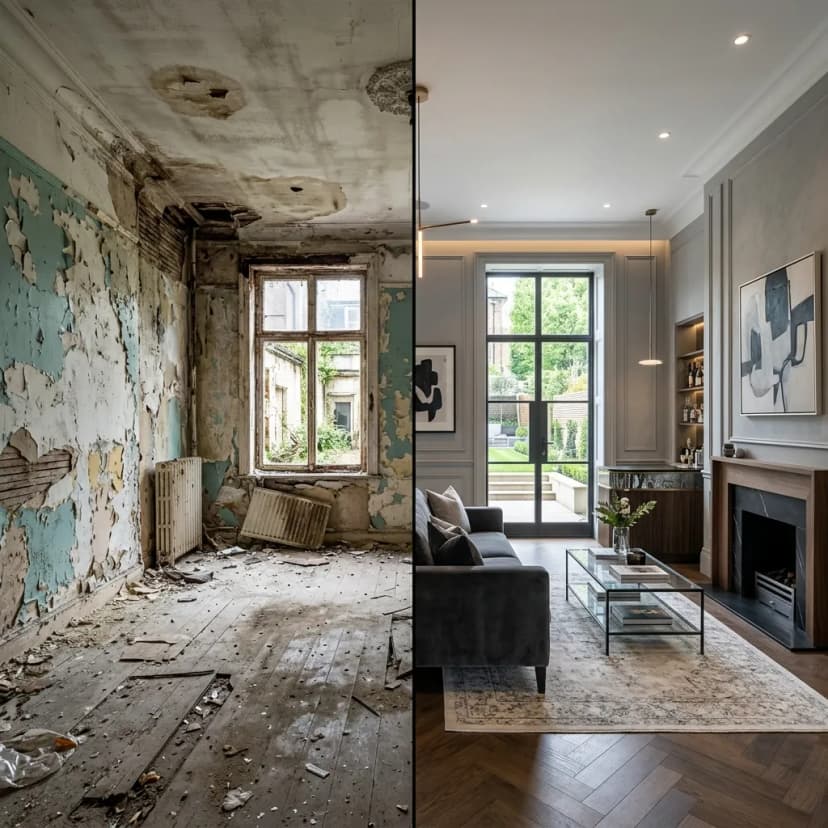
Show your customers what a property in need of renovation can become. Lower the purchasing barrier through photo-realistic renovation ideas.
Read more
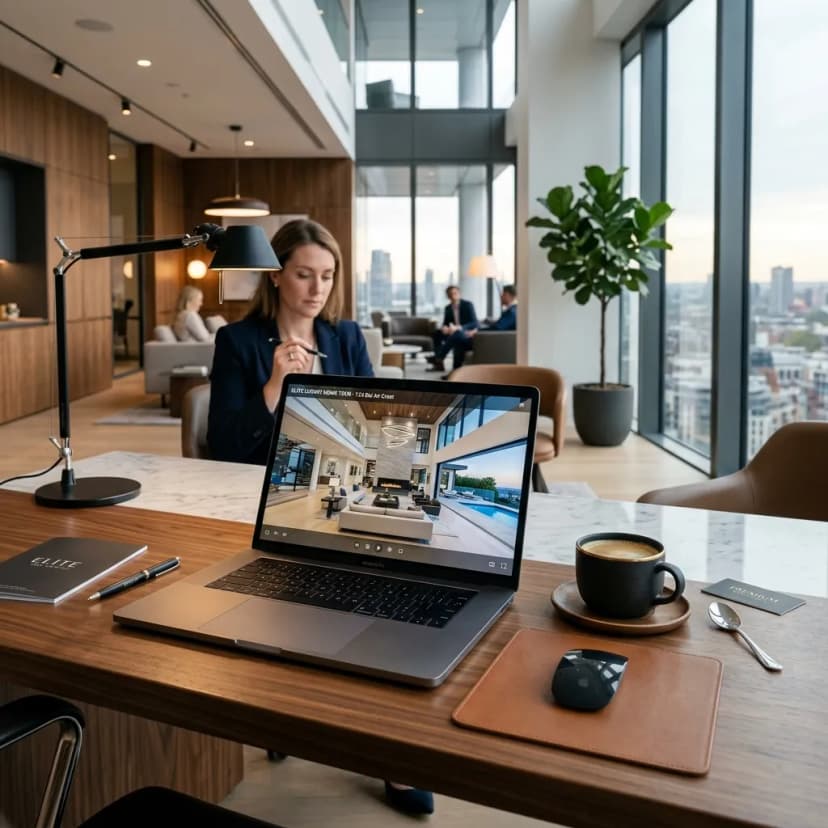
25. Juni 2026
Pre-qualify potential buyers in advance. Virtual 360-degree tours ensure that only genuine buyers show up for the real viewing.
Read more
25. Juni 2026
Save thousands of euros on rental furniture. Discover how digital interior design turns empty properties into cozy dream homes.
Read more
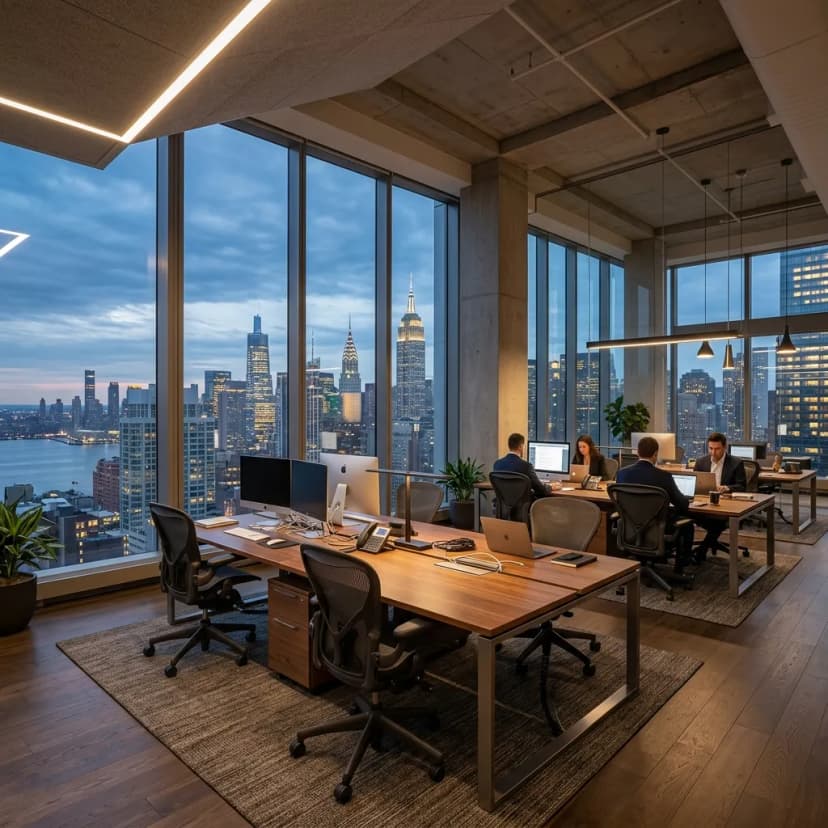
25. Juni 2026
Gray carpets and empty halls often look uninspired. We show you how to digitally visualize modern work environments and convince tenants.
Read more
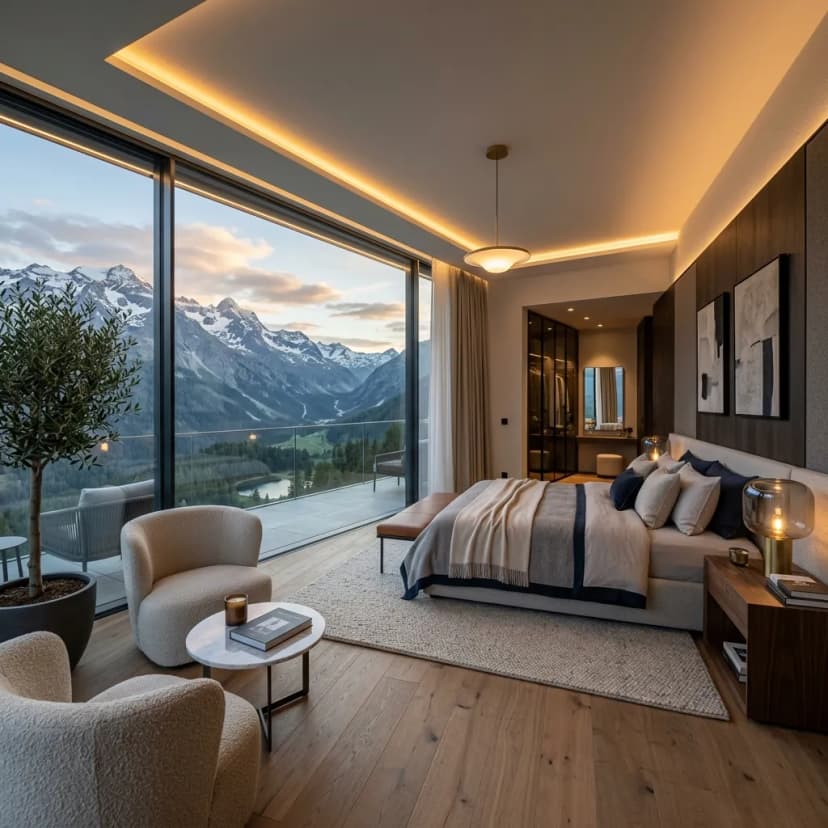
25. Juni 2026
How to captivate sophisticated premium buyers with virtual home staging and reduce purchase barriers.
Read more
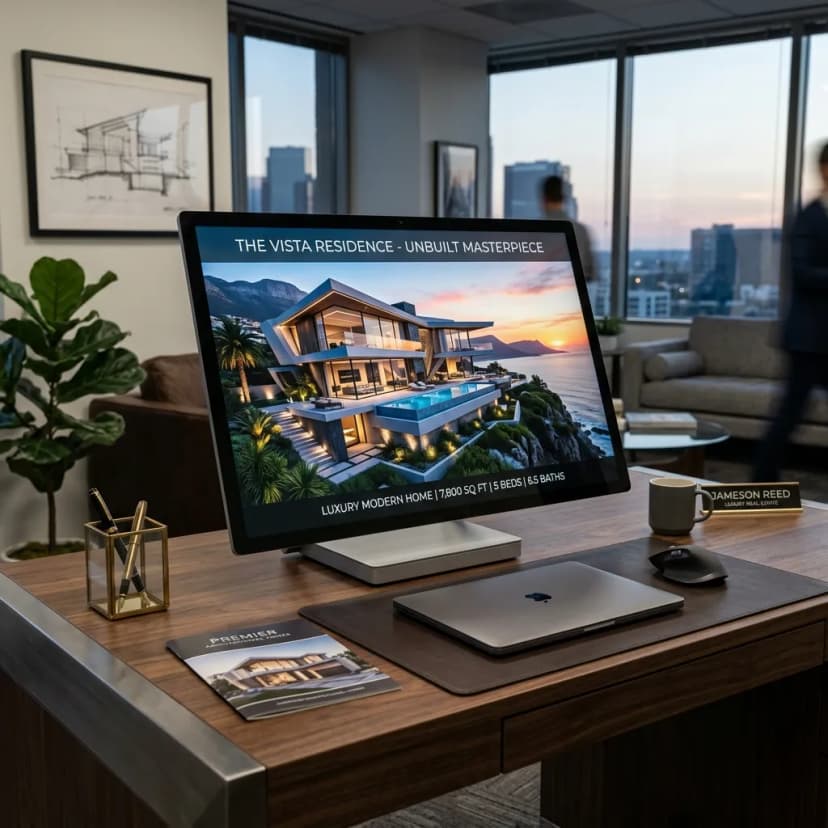
25. Juni 2026
Discover the best strategies to attract more customers with real estate rendering.
Read more
25. Juni 2026
Discover the best strategies to gain more customers with virtual home staging.
Read more
24. Juni 2026
On the portal you compete not for buyers but first for the click. That decision falls in under a second.
Read more
22. Juni 2026
With office and commercial space every viewing costs several hours – on both sides. Pre-selection therefore belongs up front.
Read more
19. Juni 2026
Between marketing promises and practice lies a gap. A sober look at the use cases that actually hold up in an agency.
Read more
17. Juni 2026
Hardly any existing building matches its drawings. Anyone planning on that basis discovers the deviation on the building site.
Read more
15. Juni 2026
Reach on third-party platforms is borrowed. A mailing list is property – and it reaches exactly the people who will sell later.
Read more
12. Juni 2026
In clinics, at fairs and on campuses, searching costs working time daily. The problem is rarely the signage but its static nature.
Read more
10. Juni 2026
Most listing texts consist of adjectives that say nothing – and omit exactly the details people search for.
Read more
10. Juni 2026
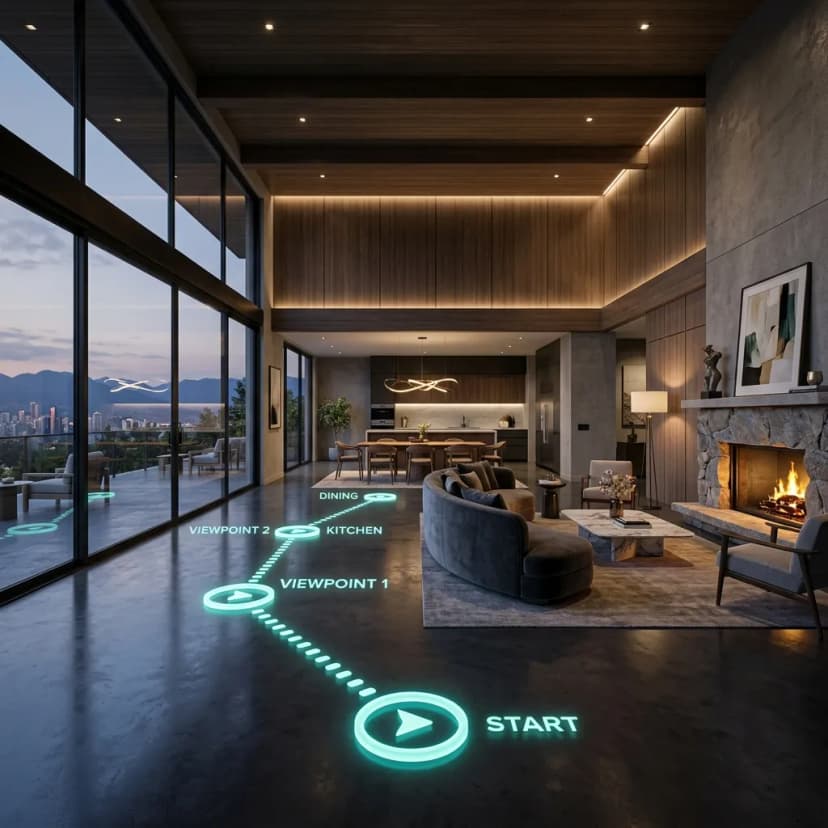
Save time and money by only showing the property to pre-qualified prospects.
Read more
8. Juni 2026
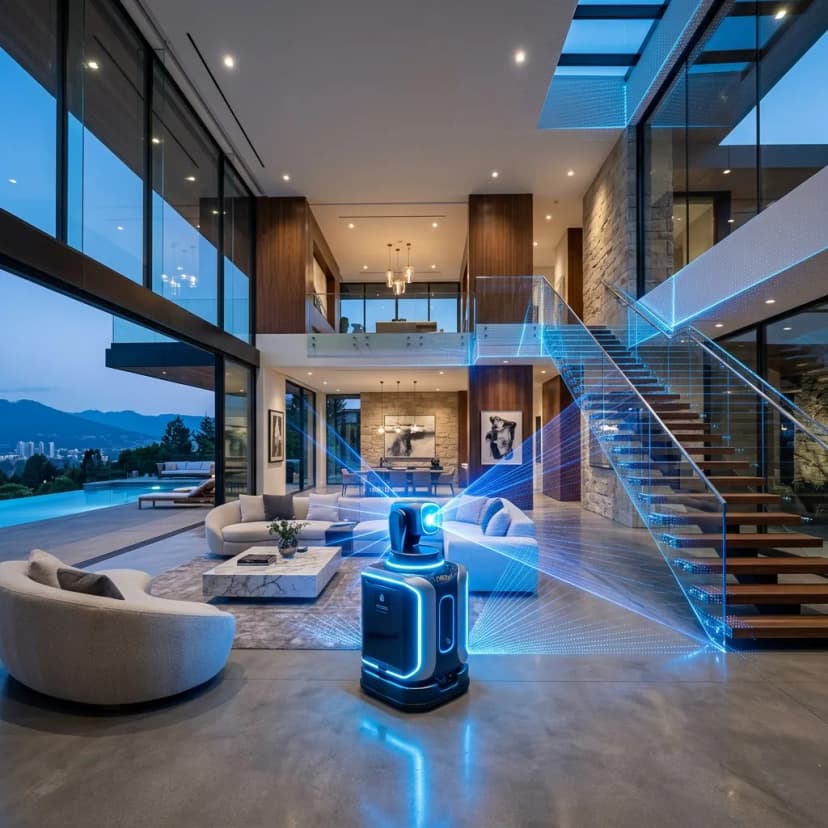
VR headsets have been announced as imminent in property marketing for years. The practical value lies elsewhere than the announcements suggest.
Read more
5. Juni 2026
Anyone who knows a room beforehand enters it more easily. That is exactly the mechanism that works for local businesses.
Read more
3. Juni 2026
In a sales world made of screens, a physical model works precisely because it breaks the pattern.
Read more
02. Juni 2026
How 3D visualizations minimize risk for developers and boost pre-sales.
Read more
1. Juni 2026
Acquisition reviews increasingly ask for data many portfolio holders do not have. That measurably costs in a sale.
Read more
28. Mai 2026
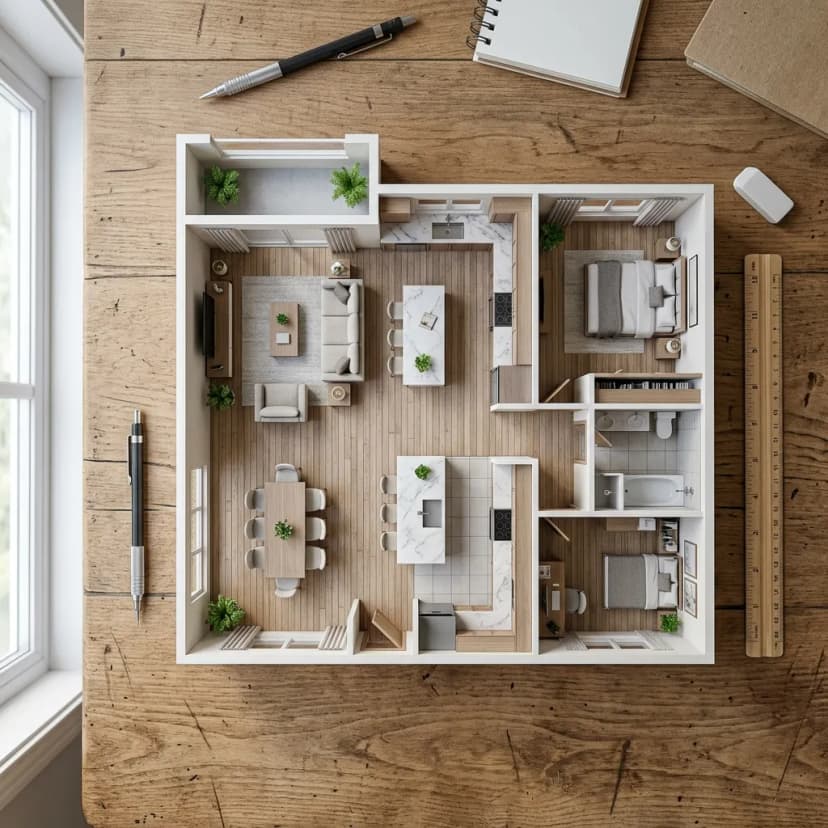
Why a poor floor plan scares off buyers and how to prepare it in a way that promotes sales.
Read more
20. Mai 2026
This is how you put objects in the perfect light and generate significantly more inquiries.
Read more

15. Mai 2026
How to achieve maximum results in premium real estate photography and save valuable budget.
Read more

15. Mai 2026
Learn how to maximize the selling prices of your properties with a minimal budget.
Read more
6. Mai 2026
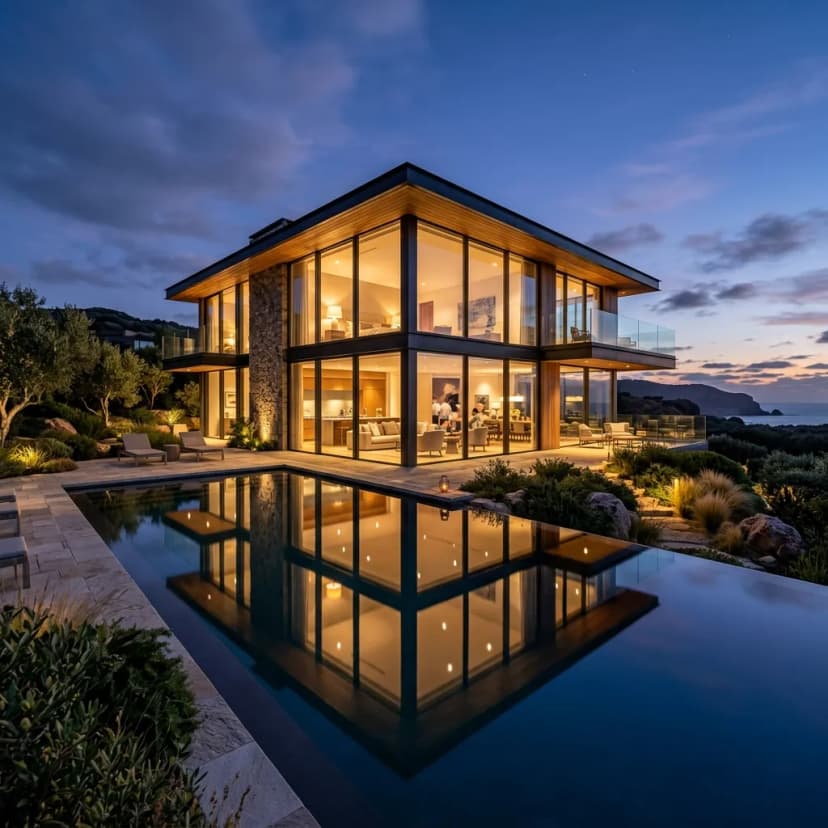
How to captivate sophisticated premium buyers and lower buying barriers with premium real estate photography.
Read more
20. April 2026
How to captivate discerning premium buyers and reduce purchase barriers with Matterport tours.
Read more

23. März 2026
Discover the best strategies to gain more customers with professional residential & commercial space calculations.
Read more
14. Januar 2026
How to achieve maximum results with 2D & 3D floor plans and save valuable budget.
Read more

8. Januar 2026
How to captivate sophisticated premium buyers with 2D & 3D floor plans and reduce purchase barriers.
Read more

6. Dezember 2025
Which new technologies and developments in virtual tours are now changing the market.
Read more
12. November 2025
Discover the latest developments and technologies in virtual home staging that are revolutionizing real estate marketing in 2026.
Read more
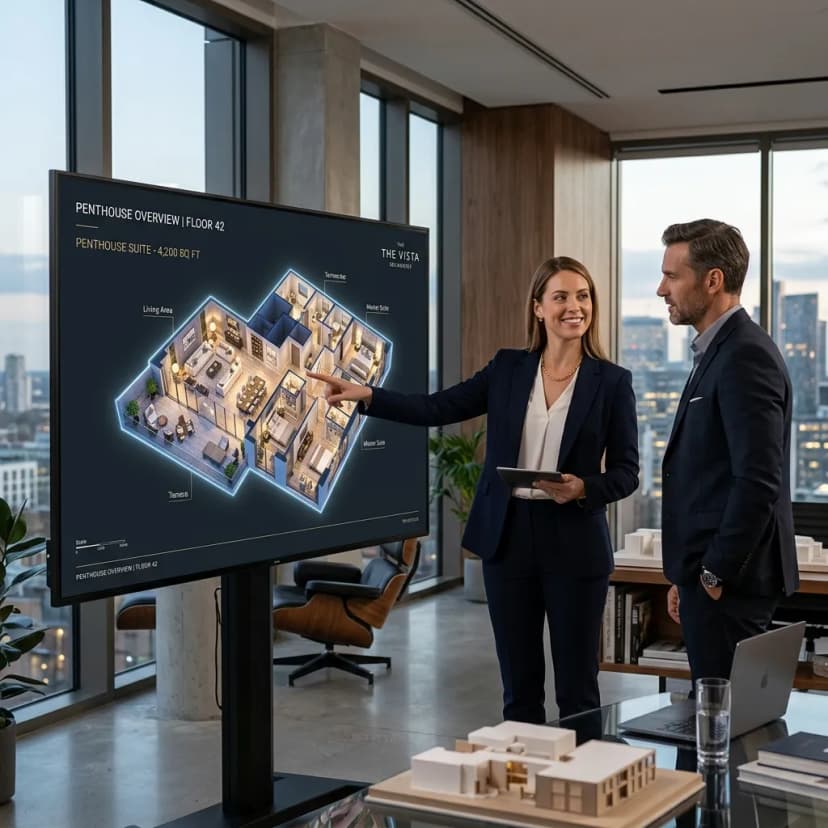
12. November 2025
Discover the best strategies to attract more clients with professional floor plan staging.
Read more
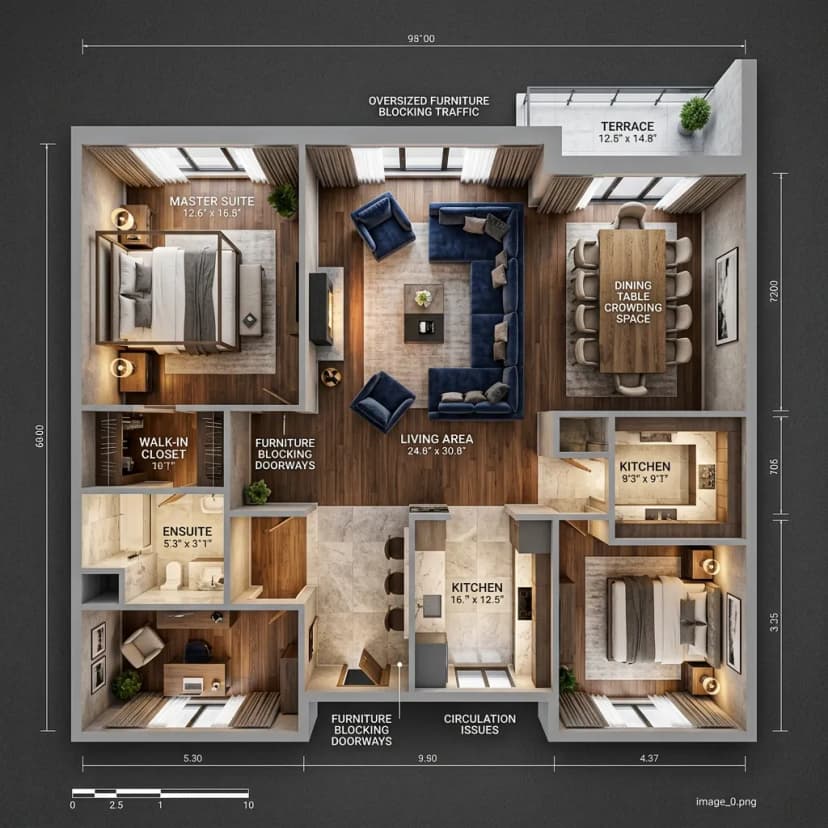
2. November 2025
How to achieve maximum results with floor plan staging and save valuable budget.
Read more
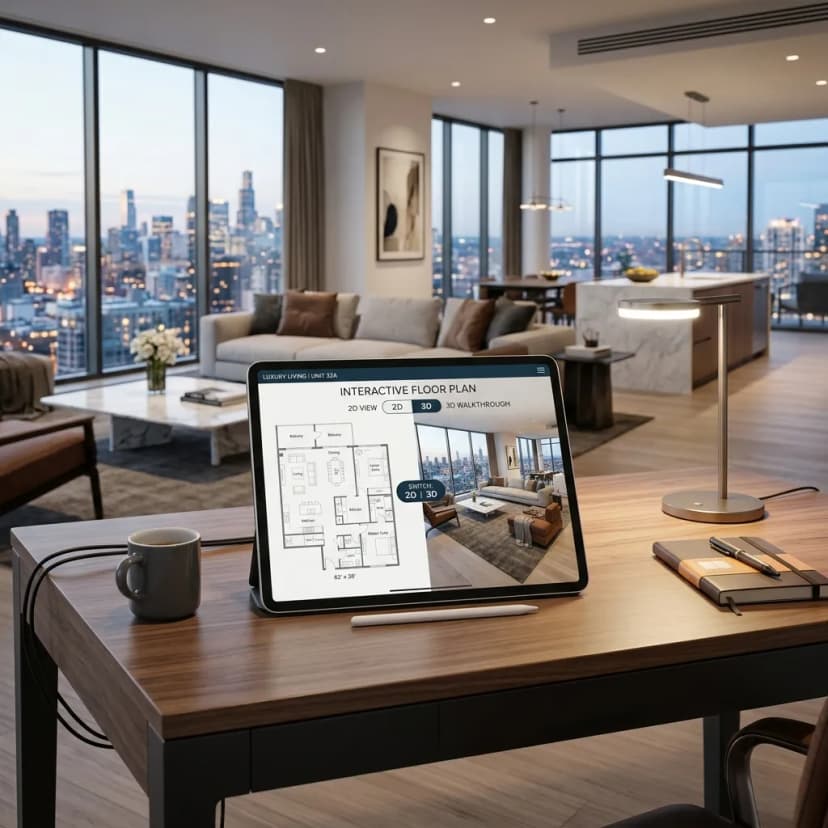
28. Oktober 2025
Learn how, as a real estate agent, you can enhance your property listings, increase inquiries, and minimize liability risks with professional 2D and 3D floor plans.
Read more
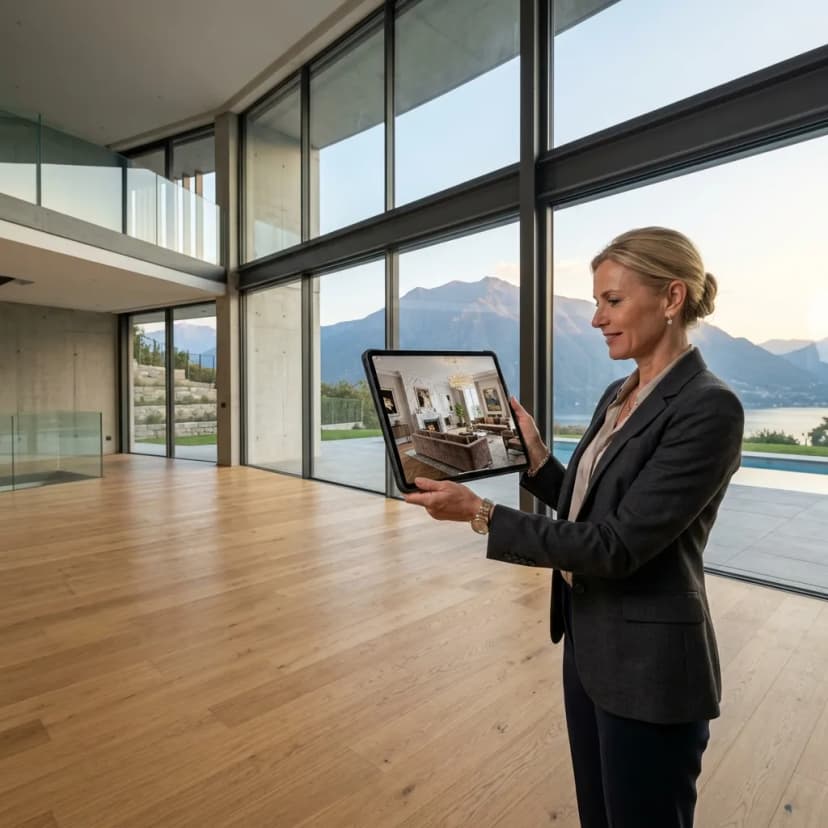
10. September 2025
How to captivate sophisticated premium buyers and reduce purchase barriers with AR real estate visualizations.
Read more
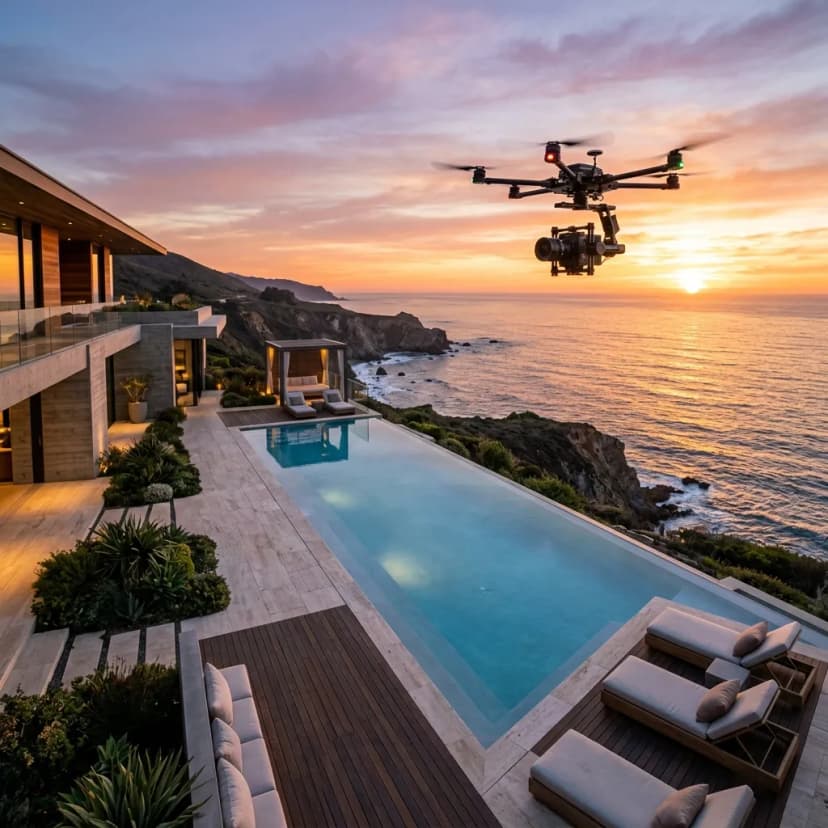
22. August 2025
How to captivate sophisticated premium buyers with cinematic real estate videos and reduce purchasing barriers.
Read more
FotoEstate Magazine: Knowledge & Practice
Welcome to the FotoEstate magazine. Here real estate professionals find well-founded analyses, real use cases and proven practical tips. Learn how 3D visualization, photorealistic renderings and digital twins help you save time, market faster and sustainably increase the value of your properties.
1. Knowledge transfer at the interface of real estate and technology
The real estate industry is facing big changes. Rising interest rates, fluctuating construction costs and stricter sustainability requirements are forcing developers, portfolio owners and agents to rethink. One key is digitizing your own buildings and workflows: it opens up new possibilities – from early planning through the sale to long-term operation.
Our magazine translates technical innovations into tangible economic advantages. We show how good images and reliable room data serve as a shared, up-to-date basis and speed up decisions. This is not about short-lived trends, but about digital standards that prove themselves in everyday work – from the precise digital twin in existing buildings to the virtual tour in project development.
In our articles, we clear away technical hurdles. We show how modern tools plug into your existing software (such as CRM and management systems). The goal: digitization that makes daily work easier and keeps your properties sellable even in difficult market phases.
2. Digital building data: from trend to standard
Plans, measurements and images of buildings used to sit scattered in folders and archives – which still costs time and money today. Digital building data means systematically capturing and providing all measurements, images and plans of a building over its entire useful life. What was a topic for pioneers just a few years ago is now becoming the industry standard.
The relevance of digital building data spans several areas of real estate work:
- Precision in purchase checks: Buyers and auditors access millimeter-accurate floor plans, 3D point clouds and area calculations immediately online. That lowers liability risks and shortens the review considerably.
- Efficiency in building management: With digital twins, maintenance, energy refurbishments and conversions can be planned and managed precisely.
- ESG compliance and documentation: Structured data management forms the foundation for the required digital building logbook and facilitates the recording of recyclable materials and the optimization of the carbon footprint during operation.
Whoever captures their building data cleanly in digital form today holds the better cards tomorrow – including for future analyses with artificial intelligence. Our guides and case studies show you step by step how to take over legacy data and build a future-proof digital property record.
3. ROI focus: Cost savings through virtual marketing
Every euro invested has to pay off. Especially in marketing, new tools are often wrongly seen as a pure cost factor. But if you add up what virtual staging, 3D renderings and virtual viewings bring in, the benefit quickly becomes visible.
Classic physical staging – temporarily furnishing show apartments or commercial spaces – is expensive, laborious and inflexible. Virtual staging, by contrast, shows the same space in as many variants as you like (e.g. as an open-plan office, coworking space or classic single office) – photorealistic, at a fraction of the cost and within a few days. For agents and portfolio owners this means: on the market sooner and significantly shorter vacancy.
For new-build projects and refurbishments, high-quality 3D renderings secure the necessary pre-sales or pre-letting quota before the first groundbreaking. That eases financing and improves your terms with the bank. The investment in good images usually pays for itself if a high-quality commercial unit sits empty just one month less.
4. Practical tips for developers and portfolio owners
Theory only helps once it works in everyday business. That is why most of our articles focus on real use cases and concrete recommendations for daily real estate work. Anyone who wants to use digital twins and 3D visualization across many properties needs clear workflows. Four practical tips have proven themselves in our work with leading industry players:
- Plan digitally from the start: Developers should make sure all planning data (BIM models) is prepared so it can be reused directly for marketing (3D renderings, virtual tours) and later management (digital twin). This avoids duplicate work and lowers overall costs.
- Tailor virtual staging to the target group: Before re-letting existing spaces, it pays to look at the local rental market. The virtual furnishing should match the desired tenant group exactly (e.g. a young tech company or an established law firm) – turning far more enquiries into signed contracts.
- One consistent image standard: Agencies with many listings benefit from a fixed quality standard for all images. Uniform renderings, clearly defined perspectives and consistently structured virtual tours strengthen your brand and the confidence of buyers and investors.
- Keep data in one place: Avoid data silos in different departments. Digital building data only works when marketing teams, technical property managers and transaction advisers all access the same verified records.
Use FotoEstate's experience to professionalize your internal workflows. Our regularly published case studies analyze concrete real estate projects and show the hard figures – from the percentage increase in click rates on property portals to measurably faster sales through well-prepared digital data rooms. Stay informed and secure the technological edge for your portfolio.